Gulf of Mexico · ChartNav curated ground
Flower Garden Banks
Coral-capped salt domes on the Texas/Louisiana shelf edge — snapper and amberjack on the reef, pelagics over the top.
What's biting here — right now
Prime water for Red Porgy & Gag Grouper — 72°F on the bottom, slack now, moving 5:25 PM–10:33 PM.
Today's bite
5:25 PM – 10:33 PM · dusk bite
Days ahead
Today
OK
seas 4.4 ft
Sun
OK
seas 3.8 ft
Mon
OK
wind 15 kt
Tue
OK
wind 14 kt
Wed
OK
wind 16 kt
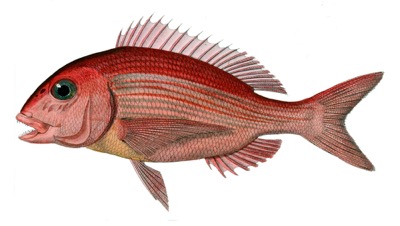
Red Porgy100
In season (Oct)
Bottom temp 72°F at 262 ft in the prime band (61–77°F prime)
Charted 240 ft suits this species (131–426 ft ideal)
Better near deep live bottom if you can find it
Cut bait on a two-hook bottom rig over deep live bottom, often between the snapper drops.
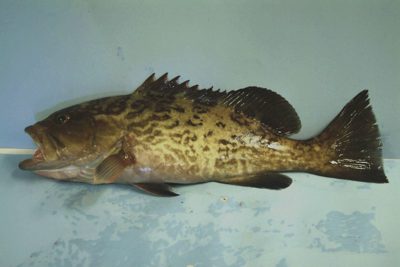
Gag Grouper100
In season (Oct)
Bottom temp 72°F at 262 ft in the prime band (64–81°F prime)
Charted 240 ft suits this species (49–262 ft ideal)
In NOAA-designated Essential Fish Habitat — expected here even where structure isn't charted
Heavy tackle with live bait tight to ledges and swiss-cheese bottom.
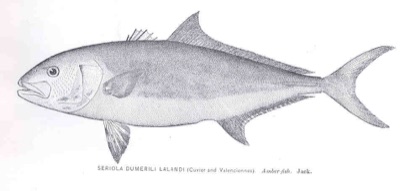
In season (Oct)
Bottom temp 72°F at 262 ft in the prime band (68–82°F prime)
Charted 240 ft suits this species (82–328 ft ideal)
In NOAA-designated Essential Fish Habitat — expected here even where structure isn't charted
Live bait or big vertical jigs straight over deep wrecks and towers.
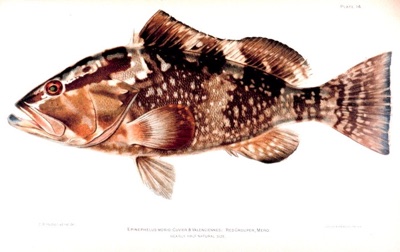
Red Grouper100
In season (Oct)
Bottom temp 72°F at 262 ft in the prime band (66–82°F prime)
Charted 240 ft suits this species (49–295 ft ideal)
In NOAA-designated Essential Fish Habitat — expected here even where structure isn't charted
Squid or pinfish on flat hard-bottom with potholes and ledges.
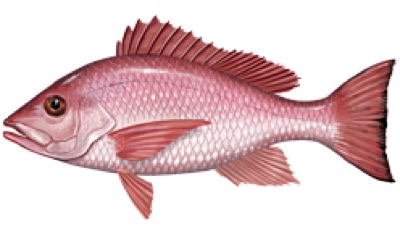
Red Snapper100
In season (Oct)
Bottom temp 72°F at 262 ft in the prime band (64–81°F prime)
Charted 240 ft suits this species (66–328 ft ideal)
In NOAA-designated Essential Fish Habitat — expected here even where structure isn't charted
Cut or live bait just off bottom structure; check season before targeting.
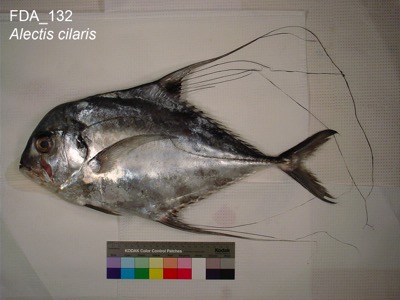
In season (Oct)
Bottom temp 72°F at 262 ft in the prime band (72–84°F prime)
Charted 240 ft suits this species (66–262 ft ideal)
No charted structure within 250 m — scored cautiously (charts don't mark all hard bottom)
Live bait or jigs deep over wrecks and reef ledges; they hang in small groups on the up-current side.
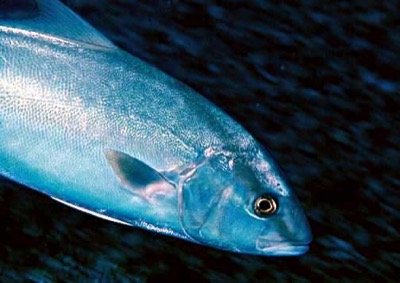
In season (Oct)
Bottom temp 72°F at 262 ft in the prime band (66–82°F prime)
Charted 240 ft suits this species (164–492 ft ideal)
No charted structure within 250 m — scored cautiously (charts don't mark all hard bottom)
Vertical jigs over deep rigs and wrecks — usually higher in the column than the amberjacks.
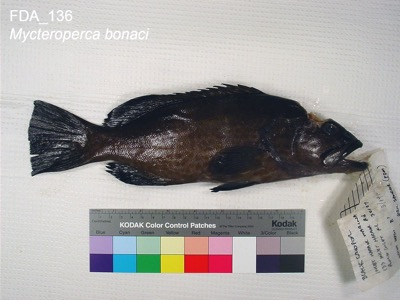
In season (Oct)
Bottom temp 72°F at 262 ft in the prime band (68–82°F prime)
Charted 240 ft suits this species (49–262 ft ideal)
No charted structure within 250 m — scored cautiously (charts don't mark all hard bottom)
Big live bait pulled hard off the ledge — give them line and they are back in the rock.
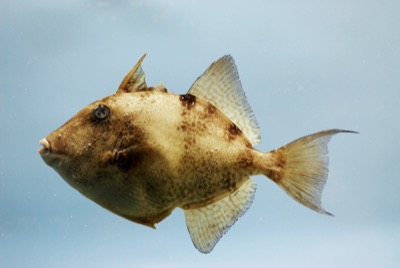
In season (Oct)
Bottom temp 72°F at 262 ft in the prime band (64–82°F prime)
Charted 240 ft suits this species (66–295 ft ideal)
No charted structure within 250 m — scored cautiously (charts don't mark all hard bottom)
Small strong hooks tight to the structure — they bite short and shred a bait off a big hook.
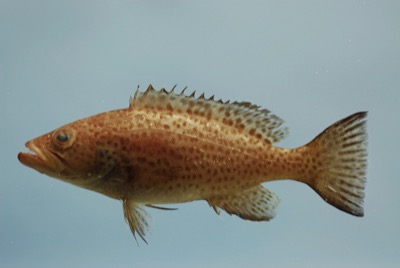
In season (Oct)
Bottom temp 72°F at 262 ft in the prime band (63–79°F prime)
Charted 240 ft suits this species (131–361 ft ideal)
No charted structure within 250 m — scored cautiously (charts don't mark all hard bottom)
Deeper live-bottom ledges than the gags — a smaller grouper worth the extra depth.
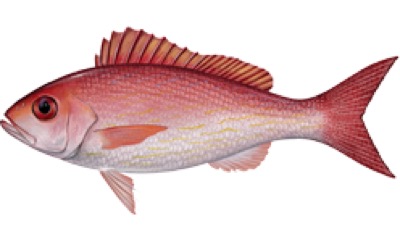
In season (Oct)
Bottom temp 72°F at 262 ft in the prime band (64–81°F prime)
Charted 240 ft suits this species (148–394 ft ideal)
No charted structure within 250 m — scored cautiously (charts don't mark all hard bottom)
Small hooks and cut bait just off the bottom over deep hard bottom; they hover above the reef, not in it.
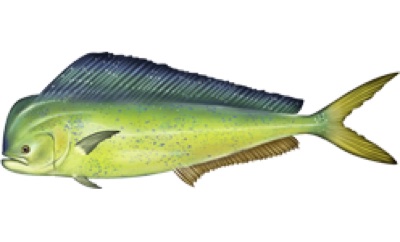
In season (Oct)
SST 86°F workable (75–86°F prime)
Charted 240 ft suits this species (131–6560 ft ideal)
No strong temperature break nearby
Better near weedlines and floating debris, not bottom structure if you can find it
Run and gun to weedlines, boards and birds; pitch ballyhoo or jigs.
Live habitat-envelope scoring at this exact cell — SST, charted depth, charted structure and seabed, NOAA-designated habitat. The same engine and cards as tapping the spot in Fish mode.
Today's bite windows — moving water
Slack water right now
5:25 PM – 10:33 PM
peak 7:59 PM · flood
peak 7:59 PM · flood
4:17 AM – 1:07 PM
peak 8:42 AM · ebb
peak 8:42 AM · ebb
6:39 PM – 11:18 PM
peak 8:59 PM · flood
peak 8:59 PM · flood
Derived from the tide at Fieldwood WC-289 Platform — flow peaks near mid-tide, goes slack near high and low. No tidal-current station within 10 nm of this spot. Timing only — it never changes the habitat scores above.
The week ahead — full forecast
Drag the graph for any hour — wind, gusts, seas & period, rain, predicted current. The pale band around the wind line is model disagreement; the day chips carry the verdict and the number that caused it; the moons are real phases.
Sea state right now — every train
Combined
4.3 ft @ 7 s
from ESE
Wind sea
4.3 ft @ 7 s
from ESE
Swell 1
0.0 ft
Swell 2
0.0 ft
Swell 3
0.0 ft
Wind: NBM 2.5km direct (69 h) → GFS 0.25° direct (3 h) → Open-Meteo blend (96 h) · Waves: GFS-Wave 0.16° (12Z cycle), full train decomposition · Confidence band: GEFS ensemble spread · Bite windows: CO-OPS tidal predictions
Water temperature — last 10 weeks
2026-07-24 → 2026-10-02 · 85–87°F
Best months here
J
F
M
A
M
J
J
A
S
O
N
D
Species in season by month for Gulf of Mexico (from the knowledge base). In season now: Atlantic Croaker, Black Drum, Red Porgy, Southern Flounder, Cobia, Crevalle Jack, Florida Pompano, Permit, Red Drum (Redfish), Common Snook.
Other grounds in Gulf of Mexico
Florida Middle Grounds
Gag Grouper · Red Grouper · Mangrove Snapper
The Midnight Lump — Venice
Yellowfin Tuna · Wahoo · Blackfin Tuna
Reuse welcome with attribution. Weekly regional report: Gulf of Mexico · Feed: RSS · all US grounds: /fishing.