Southeast Atlantic · ChartNav curated ground
The Point — Cape Hatteras
Where cold Labrador water meets the warm Gulf Stream off Hatteras — one of the Atlantic's great pelagic convergences.
What's biting here — right now
Prime water for Cobia & Atlantic Croaker — 77°F on top, water moving now.
Today's bite
3:01 PM – 6:41 PM · dusk bite
Days ahead
Today
GO
8 kt
Sun
GO
8 kt
Mon
OK
wind 16 kt
Tue
ROUGH
wind 19 kt
Wed
OK
seas 4.6 ft
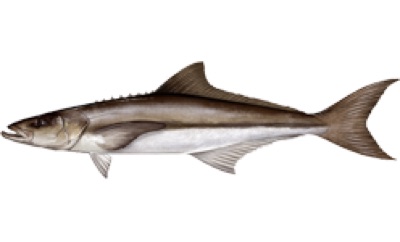
Cobia100
In season (Oct)
SST 77°F in the prime band (70–84°F prime)
Charted 85 ft suits this species (26–131 ft ideal)
Better near structure or edges if you can find it
Sight-cast jigs or eels to fish on buoys, rays, wrecks and channel markers.
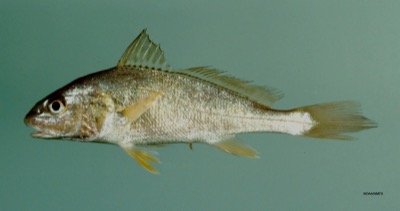
In season (Oct)
Bottom temp 77°F at 66 ft in the prime band (59–82°F prime)
Charted 85 ft suits this species (10–82 ft ideal)
Shrimp or squid on a bottom rig over mud and shell in the bays and nearshore lumps.
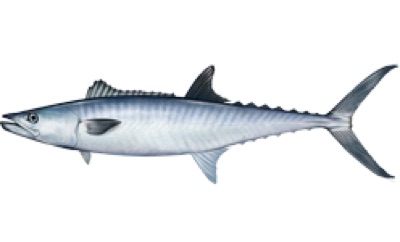
In season (Oct)
SST 77°F in the prime band (70–84°F prime)
Charted 85 ft suits this species (39–197 ft ideal)
Near the northern edge of its range (regular north to about 34.0°N)
Temperature break nearby (3.6°C across ~15 nm)
Slow-troll live bait over reefs, wrecks and bait schools; wire leader.
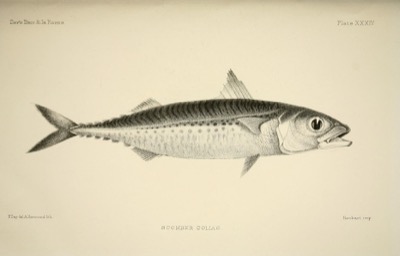
In season (Oct)
SST 77°F workable (63–75°F prime)
Charted 85 ft suits this species (49–656 ft ideal)
Temperature break nearby (3.6°C across ~15 nm)
Small metals or sabikis around bait balls on the edge — a late-summer arrival that draws everything bigger.
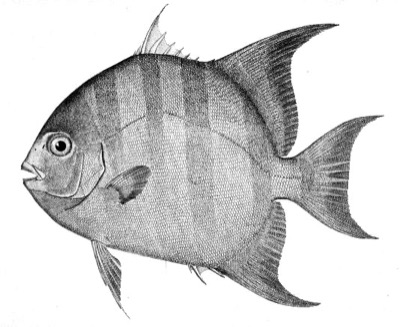
In season (Oct)
Bottom temp 77°F at 66 ft in the prime band (68–84°F prime)
Charted 85 ft suits this species (20–131 ft ideal)
No charted structure within 250 m — scored cautiously (charts don't mark all hard bottom)
Small jellyball or clam bits on light tackle right against a wreck, tower or buoy chain.
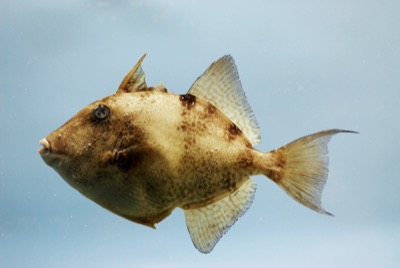
In season (Oct)
Bottom temp 77°F at 66 ft in the prime band (64–82°F prime)
Charted 85 ft suits this species (66–295 ft ideal)
No charted structure within 250 m — scored cautiously (charts don't mark all hard bottom)
Small strong hooks tight to the structure — they bite short and shred a bait off a big hook.
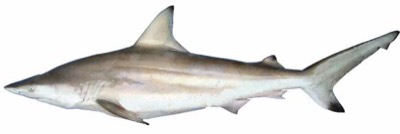
In season (Oct)
SST 77°F in the prime band (72–86°F prime)
Charted 85 ft suits this species (10–197 ft ideal)
Near the northern edge of its range (regular north to about 34.0°N)
Temperature break nearby (3.6°C across ~15 nm)
Cut bait in a slick off the beach or the bar — the one that jumps and spins when it eats.
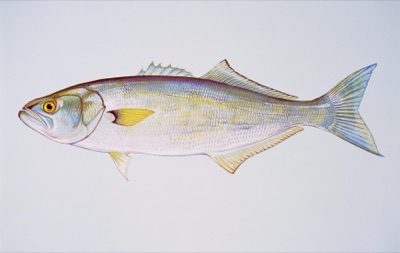
Bluefish78
In season (Oct)
SST 77°F workable (64–75°F prime)
Charted 85 ft suits this species (7–98 ft ideal)
Metal lures or poppers through bait schools and birds; wire leader.
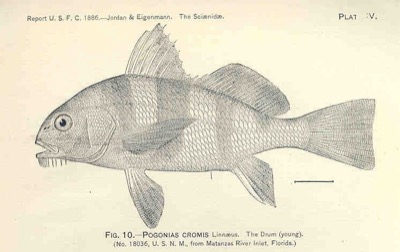
In season (Oct)
Bottom temp 77°F at 66 ft in the prime band (54–82°F prime)
Charted 85 ft suits this species (7–66 ft ideal)
Better near bridge pilings and jetty rock if you can find it
Fresh crab or clam on the bottom along channel edges and hard against bridge and jetty rock.
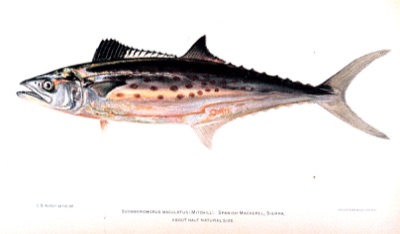
In season (Oct)
SST 77°F in the prime band (68–82°F prime)
Charted 85 ft suits this species (10–66 ft ideal)
Small shiny spoons cast or trolled fast through surface bait showers.
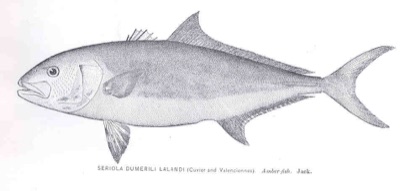
In season (Oct)
Bottom temp 77°F at 66 ft in the prime band (68–82°F prime)
Charted 85 ft suits this species (82–328 ft ideal)
Near the northern edge of its range (regular north to about 34.0°N)
No charted structure within 250 m — scored cautiously (charts don't mark all hard bottom)
Live bait or big vertical jigs straight over deep wrecks and towers.
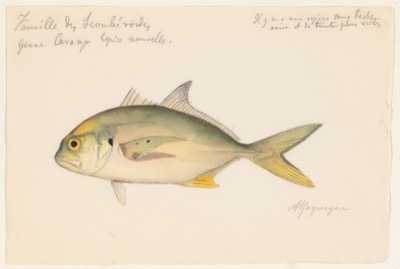
In season (Oct)
SST 77°F in the prime band (70–86°F prime)
Charted 85 ft suits this species (7–131 ft ideal)
Near the northern edge of its range (regular north to about 33.0°N)
Throw a big topwater into a busting school and hold on — pound for pound the hardest pull inshore.
Live habitat-envelope scoring at this exact cell — SST, charted depth, charted structure and seabed, NOAA-designated habitat. The same engine and cards as tapping the spot in Fish mode.
Today's bite windows — moving water
Moving water right now — easing
3:01 PM – 6:41 PM
peak 4:51 PM · ebb
peak 4:51 PM · ebb
9:28 PM – 12:38 AM
peak 11:03 PM · flood
peak 11:03 PM · flood
3:17 AM – 6:35 AM
peak 4:56 AM · ebb
peak 4:56 AM · ebb
Derived from the tide at Cape Hatteras — flow peaks near mid-tide, goes slack near high and low. No tidal-current station within 10 nm of this spot. Timing only — it never changes the habitat scores above.
The week ahead — full forecast
Drag the graph for any hour — wind, gusts, seas & period, rain, predicted current. The pale band around the wind line is model disagreement; the day chips carry the verdict and the number that caused it; the moons are real phases.
Sea state right now — every train
Combined
2.3 ft @ 11 s
from ESE
Wind sea
0.7 ft @ 2 s
from N · wind chop
Swell 1
2.1 ft @ 11 s
from ESE · long-period groundswell
Swell 2
0.4 ft @ 3 s
from SSW · wind chop
Swell 3
0.0 ft
Wind: NBM 2.5km direct (69 h) → GFS 0.25° direct (3 h) → Open-Meteo blend (96 h) · Waves: GFS-Wave 0.16° (12Z cycle), full train decomposition · Confidence band: GEFS ensemble spread · Bite windows: CO-OPS tidal predictions
Water temperature — last 10 weeks
2026-07-24 → 2026-10-02 · 77–85°F
Best months here
J
F
M
A
M
J
J
A
S
O
N
D
Species in season by month for Southeast Atlantic (from the knowledge base). In season now: Atlantic Croaker, Black Drum, Blueline Tilefish, Northern Kingfish, Red Porgy, Southern Flounder, Cobia, Crevalle Jack, Florida Pompano, Red Drum (Redfish).
Other grounds in Southeast Atlantic
Frying Pan Shoals
King Mackerel · Cobia · Greater Amberjack
The Charleston Bump
Wahoo · Mahi-Mahi · Blue Marlin
Reuse welcome with attribution. Weekly regional report: Southeast Atlantic · Feed: RSS · all US grounds: /fishing.